
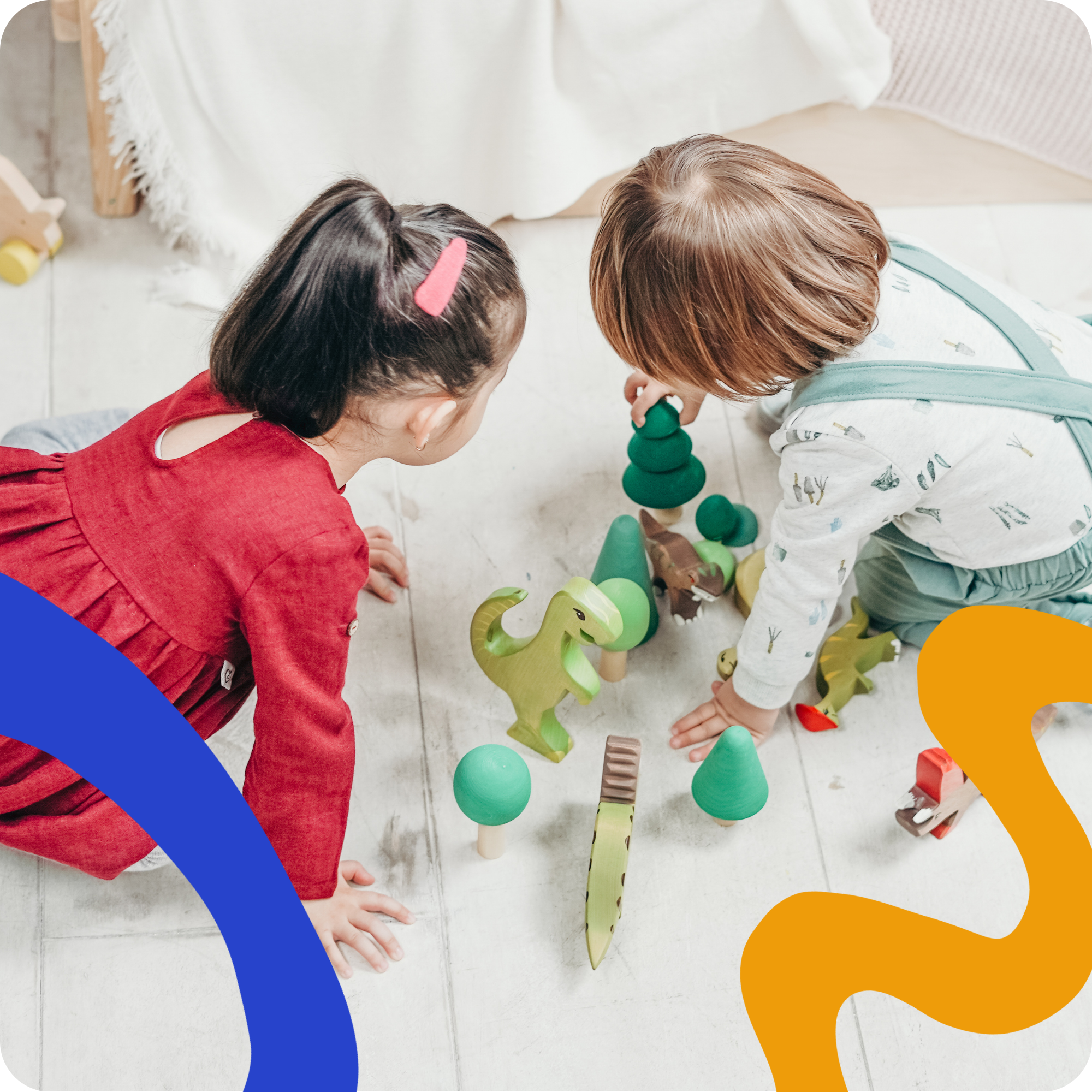
Some of the most important communication skills a child develops happen more naturally with peers, rather than adults! Reading social cues, taking turns in conversation, negotiating during play, and repairing a friendship are all key peer skills. Saltwater Speech's social skills groups give children a small, supportive setting to practice these skills.
Social Skills Groups in Manhattan & Brooklyn
What Social Skills Groups Address
Conversational turn-taking and staying on topic
Reading nonverbal cues: Facial expressions, tone of voice, body language
Initiating play and joining a group activity already in progress
Perspective-taking: Understanding that others have different thoughts, feelings, and points of view
Handling conflict, compromise, and shifting expectations during play
And more as social skills come up naturally in group!
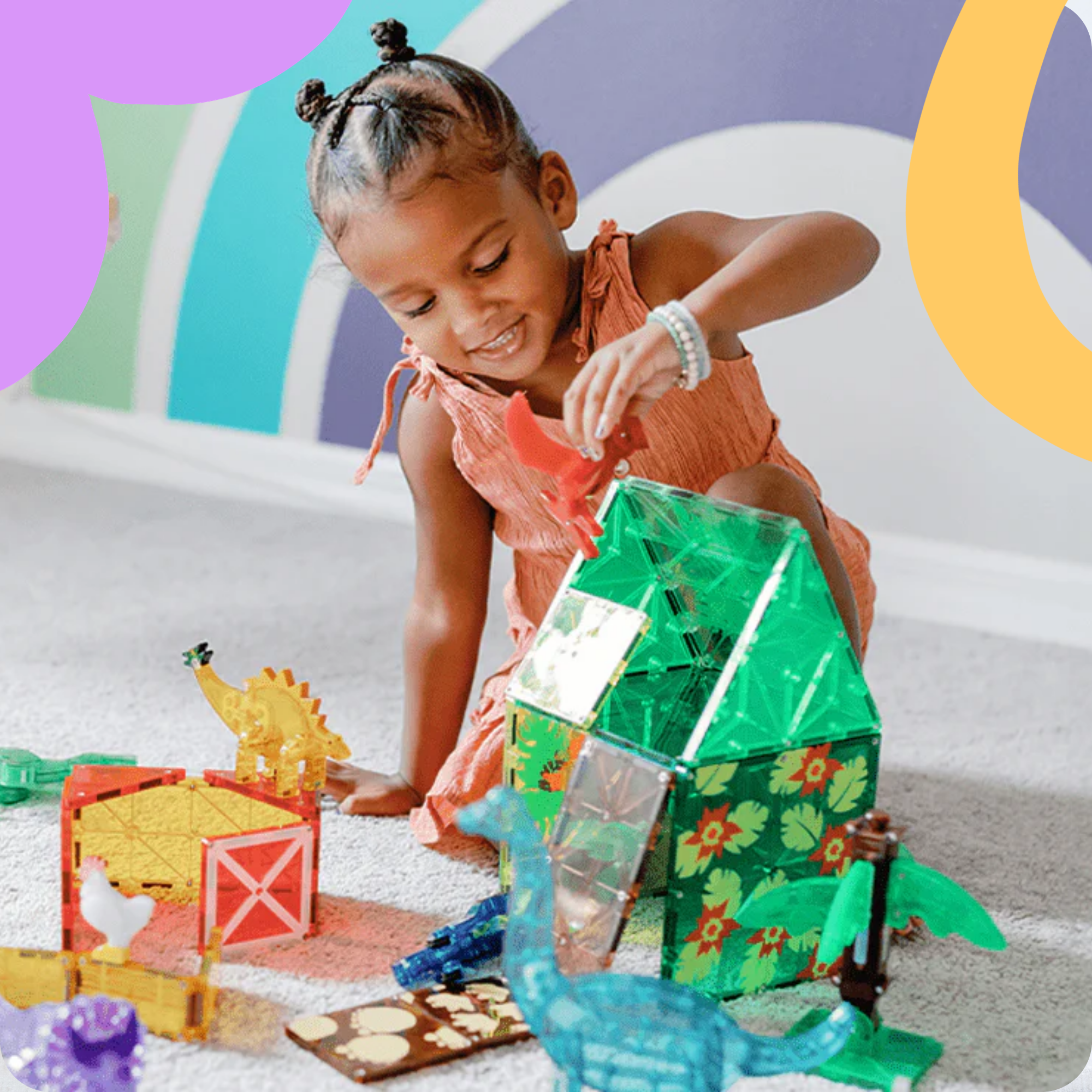
Signs Your Child May Benefit From a Social Skills Group:
Social skills groups are a good fit for children who:
Are verbal but struggle with peer interaction
Kids who might dominate conversations
Children who struggle to read non-verbal cues
Children who have difficulty joining group play or maintaining play
Kids who feel anxious in social situations.
Children who have behavioral needs in social situations
Why Choose Saltwater Speech?
Nicole's clinical background is rooted in social communication specifically. Her early career was spent at UCLA's Center for Autism Research and Treatment, studying exactly this kind of skill-building and applying it in group environments at the UCLA Kasari Lab and UCLA Lab School. In group sessions, we don’t just supervise play; instead, we actively coach in the moment, balancing natural conversations and play with structured, teaching activities.
Groups are kept small and are matched thoughtfully by age, communication level, and social goals, so kids are genuinely working alongside peers at a similar stage rather than being lumped together by age alone. Parents get consistent feedback on themes and progress, so what's practiced in group can be reinforced at home too
Frequently Asked Questions
Groups are formed thoughtfully based on age, communication level, and social goals, so kids are working alongside peers at a similar stage.
How are group members matched?
1
Nope! Social skills groups benefit any child who could use more structured practice with peer interaction, including kids with social anxiety, ADHD, language delays, or simply a harder time navigating group dynamics.
Is this only for autistic children?
2
Individual sessions build specific skills one-on-one; group sessions give kids a chance to apply those skills with real peers in real time, which is a different and complementary kind of practice.
How is this different from individual speech therapy?
3
Where and when do groups meet?
4
Group availability varies! Kindly contact Saltwater Speech out to us to learn about current groups forming for children in Manhattan or Brooklyn.