What Does Early Myofunctional Therapy Look Like?
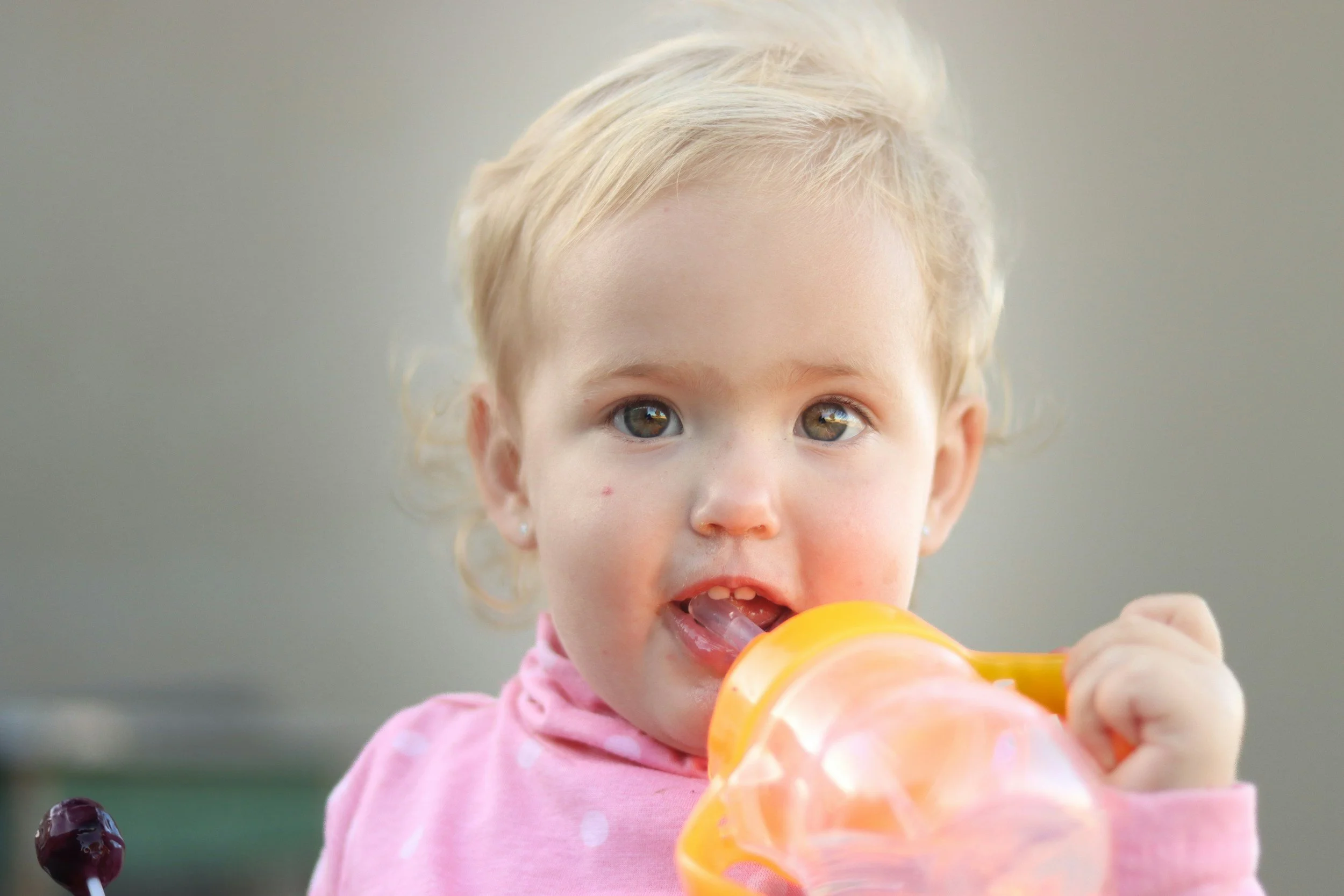
Early myofunctional therapy focuses on building good habits at a young age.
Maybe your dentist noticed your toddler's mouth is always open. Or maybe your pediatrician mentioned a tongue tie, or an ENT asked about snoring. Then someone said the words "myofunctional therapy," and you were left wondering what that means for a child who is only two or three!
This guide walks through what early myofunctional therapy is, the signs worth paying attention to, what sessions actually look like for little kids, and how it fits with the other professionals on your child's team.
What is myofunctional therapy?
Orofacial myofunctional therapy (often shortened to "myo") helps the muscles of the face, lips, tongue and jaw work the way they're meant to. It focuses on four everyday jobs:
Breathing: through the nose, not the mouth
Resting posture: lips closed, tongue resting up on the roof of the mouth
Swallowing: without the tongue pushing forward against the teeth
Chewing: with both sides of the mouth and a closed-lip pattern
When these patterns are off, it's called an orofacial myofunctional disorder (OMD). OMDs can affect eating, speech clarity, and how the teeth come together.
"Early" myo means adapting this work for babies, toddlers and preschoolers. Traditional myo programs rely on structured exercises that older children and adults practice on their own. Young children can't do that yet, so early myo looks different. It's play-based, coached through caregivers, and built into routines like meals, bath time and bedtime. The goal is to build healthy habits while they're still forming, rather than retraining them years later.
Signs to watch for
One sign on its own isn't a cause for concern. A cluster of them, especially if they persist, is worth an evaluation.
Babies (0–12 months): trouble latching or staying latched, clicking or leaking milk while feeding, long or tiring feeds, and frequent gassiness or reflux.
Toddlers (1–3 years): a mouth that's often open at rest, mouth breathing during the day, snoring, drooling past the expected age, gagging on or avoiding chewy foods, pocketing food, and heavy pacifier or bottle use.
Preschoolers (3–5 years): a tongue that rests low or between the teeth, a tongue that pushes forward when swallowing, a lisp, messy or noisy eating, restless sleep, and thumb or finger sucking.
If your child snores regularly or seems to stop breathing during sleep, talk to your pediatrician or an ENT first. Those signs need a medical evaluation before any therapy begins.
What early myo sessions look like
Early myo sessions look a lot like play, because for young children, play is how learning sticks. Every plan starts with an evaluation of how your child breathes, rests, eats, swallows and talks. Sessions are then shaped around your child's age and attention span.
Babies and young toddlers. Sessions are mostly caregiver coaching. We look at feeding position, bottle or breast patterns, and the move to solids, open cups and straws. You'll learn simple ways to support lip closure and tongue movement during the routines you already do every day.
Toddlers (about 2–3). Therapy happens through games and food. Blowing bubbles and feathers builds lip strength and breath control. Silly faces in a mirror build awareness of the lips and tongue. Practicing with crunchy and chewy foods (when safe) builds chewing patterns. We also work on reducing pacifier or bottle habits gently and gradually.
Preschoolers (about 3–5). Children can start practicing simple targets on purpose, like finding their tongue's "spot" behind the top teeth, keeping their lips closed during a story, or breathing through their nose during a quiet game. Sticker charts and short daily challenges make practice feel like a game instead of homework.
As children reach school age, therapy can gradually shift toward a more traditional, exercise-based myo program.
Tongue ties and your child's care team
A tongue tie (ankyloglossia) is a tight band of tissue under the tongue that can limit how the tongue moves. Not every tie needs to be released. What matters most is function: how well your child can eat, swallow, rest their tongue and speak.
When a release is recommended, myofunctional therapy often helps on both sides of the procedure. Before, it builds tongue strength and awareness. Afterward, it helps your child learn to use their new range of motion.
Early myo works best as part of a team. Depending on your child, that team may include:
Pediatric dentist or orthodontist: tooth and jaw development, oral habits
ENT: tonsils, adenoids, snoring and airway concerns
Pediatrician or allergist: congestion and allergies that make nasal breathing hard
Lactation consultant: latch and breastfeeding for babies
Feeding therapist: picky eating, texture challenges and mealtime stress
A good myofunctional therapist will coordinate with these providers and refer you to them when needed, rather than treating the mouth in isolation.
What home practice looks like
Most of the progress in early myo happens between sessions, in five-minute moments woven into your day. You won't be asked to run drills with a two-year-old. Instead, you'll get a short, specific plan, such as:
Blowing bubbles or a pinwheel after bath time
Offering a straw or open cup at one meal a day
Adding one chewy or crunchy food to snack time
A "lips closed" game during a favorite book
A gentle plan to reduce pacifier use, one routine at a time
We review the plan at every session and adjust it to what's realistic for your family. Small, consistent practice matters far more than long practice sessions.
Why formal training matters
Many speech therapists include some myofunctional work in their practice, but training varies widely. When you're choosing a provider, it's fair to ask where they learned myofunctional therapy and how they keep their skills current.
Nicole Kramer, M.S., CCC-SLP, has completed formal myofunctional training through the Academy of Orofacial Myofunctional Therapy (AOMT) and is a candidate for AOMT certification (AOMT-C). She is also trained in the SOS Approach to Feeding, which matters for young children: in toddlers and preschoolers, myofunctional concerns and feeding challenges often show up together.
Questions worth asking any provider:
What formal training do you have in myofunctional therapy?
How do you adapt therapy for a child my child's age?
Will you coordinate with our dentist, ENT or pediatrician?
What will home practice look like for our family?
How will we measure progress?
Early myofunctional therapy on the Upper East Side
Saltwater Speech offers myofunctional and feeding therapy for babies, toddlers and young children at our Upper East Side office, serving families in Yorkville, Carnegie Hill, Lenox Hill and beyond. Select in-home and in-school visits are available in Manhattan.
Every plan includes an evaluation, play-based sessions, hands-on caregiver coaching, and a home plan that fits your family's routines. We happily coordinate with your child's dentist, ENT, pediatrician and other therapists. Saltwater Speech is an out-of-network provider, and superbills are available on request.
If you've noticed any of the signs above, or a provider has suggested myofunctional therapy, we'd love to meet your family. Book a free consult.
Frequently asked questions
How young can a child start myofunctional therapy? Early support can start in infancy, usually through feeding and caregiver coaching. Play-based sessions typically begin in the toddler years, and more structured exercises are added as children get older.
Is myofunctional therapy the same as speech therapy? No. Speech therapy focuses on communication. Myofunctional therapy focuses on breathing, resting posture, chewing and swallowing. The two often overlap, for example when a tongue thrust contributes to a lisp.
Does my child need a tongue tie release before starting? Not necessarily. Many children start with an evaluation and therapy first. If a release is recommended, therapy before and after the procedure helps your child make the most of it.
Can myofunctional therapy fix mouth breathing? It can help a child build the habit of nasal breathing once the nose is clear. If allergies, congestion, or large tonsils or adenoids are the cause, those need medical care first.
How long does early myo take? It depends on your child's age, goals and home practice. Many families see changes in habits within a few months. We review progress regularly and adjust the plan.
Is myofunctional therapy covered by insurance? Saltwater Speech is an out-of-network provider. We provide superbills on request, and we recommend checking your out-of-network benefits with your insurer.
Do you see children for both myo and feeding? Yes! In young children, the two often go hand in hand, and treating them together can make sessions more efficient.